


Anti-eavesdropping films
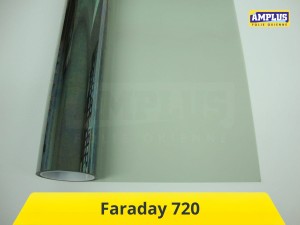 Faraday 720 Anti-Eavesdropping Shielding Window Film – Lite Solar
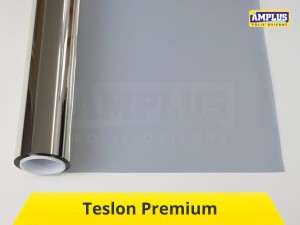 Teslon Premium Anti-Eavesdropping Shielding Window Film

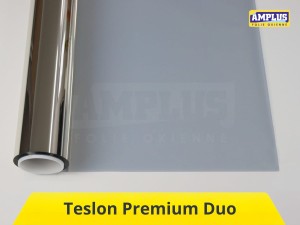 Teslon Premium Duo Anti-Eavesdropping Shielding Window Film
Screening anti-eavesdropping films
Screening anti-eavesdropping films are technologically advanced solutions designed to protect privacy by helping prevent unauthorised eavesdropping. They use special materials and techniques that block radio signals, helping protect against information leakage. They are intended for institutions requiring a high level of data security, as well as private users who want to protect their conversations against unwanted eavesdropping.
What is seismic eavesdropping?
Seismic eavesdropping is a technique used to monitor vibrations in solid structures, usually in the ground, walls, floors or other building elements, in order to detect sounds. It works by registering vibrations caused by sound waves that travel through solid objects, such as soil, walls or other structures.
This technique can allow conversations or movement to be intercepted without the need to install microphones directly next to the target.
Seismic eavesdropping uses special sensors called geophones or seismic sensors, which register vibrations caused by sounds or footsteps. Sound waves travel through solid surfaces, such as walls or floors, and sensors placed on these surfaces detect these vibrations.
Sounds such as conversations, movements or footsteps generate vibrations that are transmitted through the materials from which walls or floors are made. The sensors convert these vibrations into electrical signals, which can then be analysed and reproduced as sounds.
To use seismic eavesdropping for monitoring people, sensors are usually discreetly installed in places where they can receive vibrations, for example:
- On walls: sensors can be attached to building walls, especially near places where conversations take place. Vibrations from voices are transmitted through walls, and geophones can detect them.
- On floors or ceilings: vibrations from footsteps or furniture movement can also be detected, making it possible to monitor human activity.
Applications in special services
Seismic eavesdropping is often used by intelligence services, police and other government agencies to monitor suspected individuals. It may be used in situations where traditional eavesdropping methods are difficult to apply or could be detected, for example:
- Espionage: recording conversations in buildings without physical presence inside.
- Special operations: monitoring the movement of people in protected rooms, for example during covert operations.
- VIP protection: detecting the presence of intruders near protected individuals by monitoring footsteps and other sounds.
Limitations of the technique
Damping by materials: not all materials transmit sound with the same efficiency. For example, thick concrete walls can weaken vibrations, making it more difficult to intercept clear signals. The weakest point is glass, which dampens sound the least.