


Polycarbonate window films are used mainly on roof skylights, canopies and other elements made from polycarbonate sheets. These are specialist films designed specifically to work with this material, and their structure is significantly different from standard window films intended for glass.
Polycarbonate is lightweight and highly durable, but it also reacts strongly to temperature changes. It expands, contracts and releases gases, which means that ordinary window films should not be applied to it. Using a standard film on polycarbonate may lead to poor adhesion, deformation, bubbling or damage to the surface.
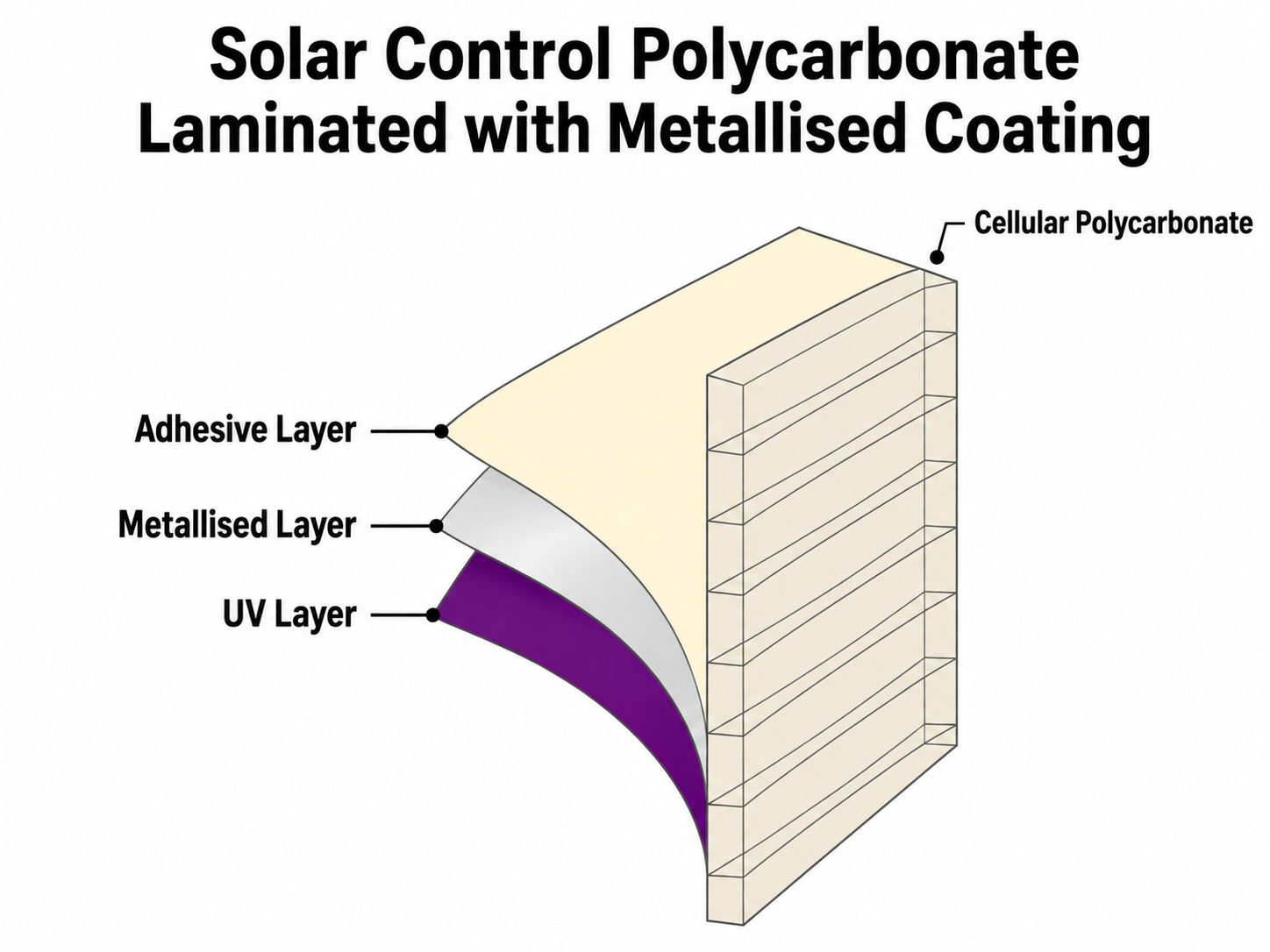
Dedicated films for polycarbonate have a different, more advanced structure. Their construction and adhesive layer are adapted to the changing movement of polycarbonate sheets, allowing the film to work with the substrate instead of resisting it and becoming distorted.
This makes polycarbonate films suitable for demanding exterior applications, especially where skylights or roof glazing cause excessive solar heat gain while still being needed for natural daylight. Depending on the selected film type, they can help reduce heat build-up, soften harsh sunlight, protect the polycarbonate surface or support UV protection.
Polycarbonate films for skylights
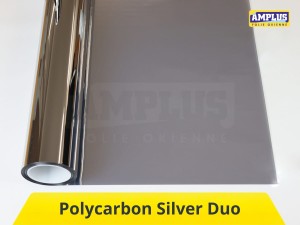 Polycarbon Silver Duo Solar Window Film for Polycarbonate
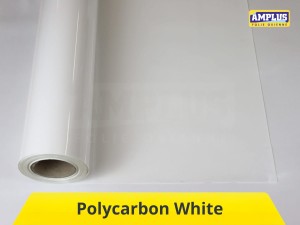 Polycarbon White Solar Window Film for Polycarbonate

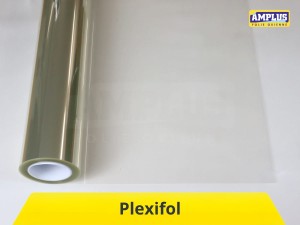 Plexifol Safety / Protective Film for Polycarbonate – Lite Solar
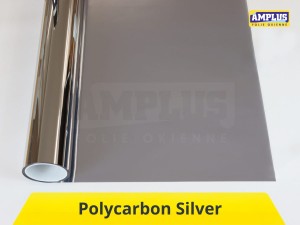 Polycarbon Silver Solar Window Film for Polycarbonate
Types of polycarbonate films and their applications
This category includes several types of specialist films designed for different practical needs:
- Reflective solar films: Polycarbon Silver and Polycarbon Silver Duo – designed for maximum heat reduction. They are used where thermal comfort is the priority, for example in halls, warehouses, industrial buildings and office areas located under skylights.
- Light diffusing film: Polycarbon White – reduces the intensity of sunlight and glare while maintaining interior brightness.
- Protective film: Plexifol – creates a protective layer on the polycarbonate surface, for example against minor mechanical damage, while slowing material ageing and helping protect it against UV radiation.
Solar films for polycarbonate – how do they work and why use them on skylights?
Solar films for polycarbonate are used mainly on roof skylights and other elements made from polycarbonate sheets, where natural daylight also causes excessive heat build-up inside the building. Their purpose is to reduce the amount of solar energy entering the interior.
These are specialist films resistant to weather conditions and UV radiation. They are intended for exterior installation and are designed to work with polycarbonate. They effectively reduce heat build-up both in the sheet itself and in the space below the skylight, which can help reduce air-conditioning and cooling costs in warehouses and production halls.
In practice, polycarbonate skylight film keeps a large part of solar heat outside, helping prevent the room from overheating. This improves indoor comfort. The best results are achieved with exterior Polycarbon Silver solar film for polycarbonate. This type of film effectively reflects up to 85% of the solar radiation falling on it by reflecting and blocking sunlight.
How are polycarbonate films different from films for glass?
The most important difference is the ability to work together with the substrate. Under the influence of temperature, polycarbonate expands and contracts much more than glass. Films designed for this material have special micropores, allowing gases released by polycarbonate to pass through. This means that the film expands under temperature changes and works together with the polycarbonate skylight, adapting to its changing dimensions.
Thanks to this structure, protective film for skylights bonds well with the sheet, works with it and reduces the risk of cracking, wrinkling or deformation of the film in the future.
In addition, films for polycarbonate are installed only on the exterior side. Only exterior installation allows solar energy to be stopped before it enters the interior and helps prevent the polycarbonate sheet itself from overheating.
Demonstration of skylight film performance: Polycarbon Silver Duo
Polycarbon Silver Duo skylight film performance demonstration.
Difference between Polycarbon Silver Duo film and Polycarbon White film
Comparison of Polycarbon Silver Duo and Polycarbon White film performance.
Benefits of solar films for polycarbonate
- effective heat reduction under skylights and roof canopies
- can help reduce cooling costs and the need for intensive air-conditioning use
- protection of polycarbonate against UV radiation, which accelerates material ageing
- longer service life of polycarbonate sheets and delayed need for costly replacement
- interior UV protection, helping reduce fading of equipment and furnishings
- improved comfort inside the building while maintaining access to daylight
How are films installed on polycarbonate skylights?
Films for polycarbonate have an adhesive layer that is safe for this material, but installation takes place outside, often on a roof. This requires proper safety procedures and suitable weather conditions. Precise film application has a direct impact on durability and performance, so in many cases it is worth considering installation carried out by experienced installers.
To make sure the film is applied correctly, order film with installation.
FAQ – Polycarbonate Films
Can solar film replace air conditioning?
It depends. In spaces where the main problem is intense sunlight, for example under roof skylights or large polycarbonate surfaces, solar film can in practice reduce the need for air conditioning or significantly limit its use. By reflecting solar radiation before it enters the interior, it helps reduce temperature increase, and the investment in film can pay back over time through lower cooling costs.
However, if high temperature is mainly caused by internal heat gains, such as machinery, equipment, lighting or a large number of people, the film will not cool the room by itself. In such cases, it will only reduce the influence of the sun and will not replace an active cooling system.
Does polycarbonate film completely darken the interior?
No. These films are designed to reduce heat and UV radiation while transmitting visible light in a controlled way.
Can standard window film be used on polycarbonate?
No. Standard window films are not designed to work with polycarbonate and may quickly become damaged or damage the surface of the sheet.